

"I did then what I knew how to do.
Now that I know better, I do better."Dr. Maya Angelou
Feeling duped? You're not alone.
We’ve been doing what scientists have told us to do for decades.
Scenario #1:
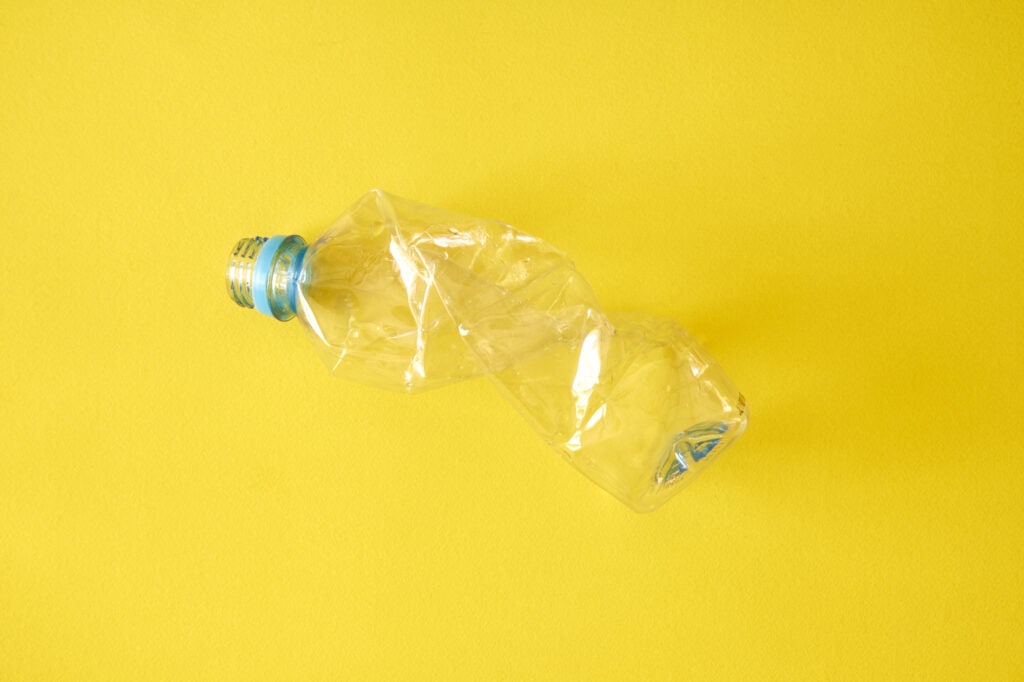
We recycle plastic water bottles, only to discover that many plastics are not recyclable.
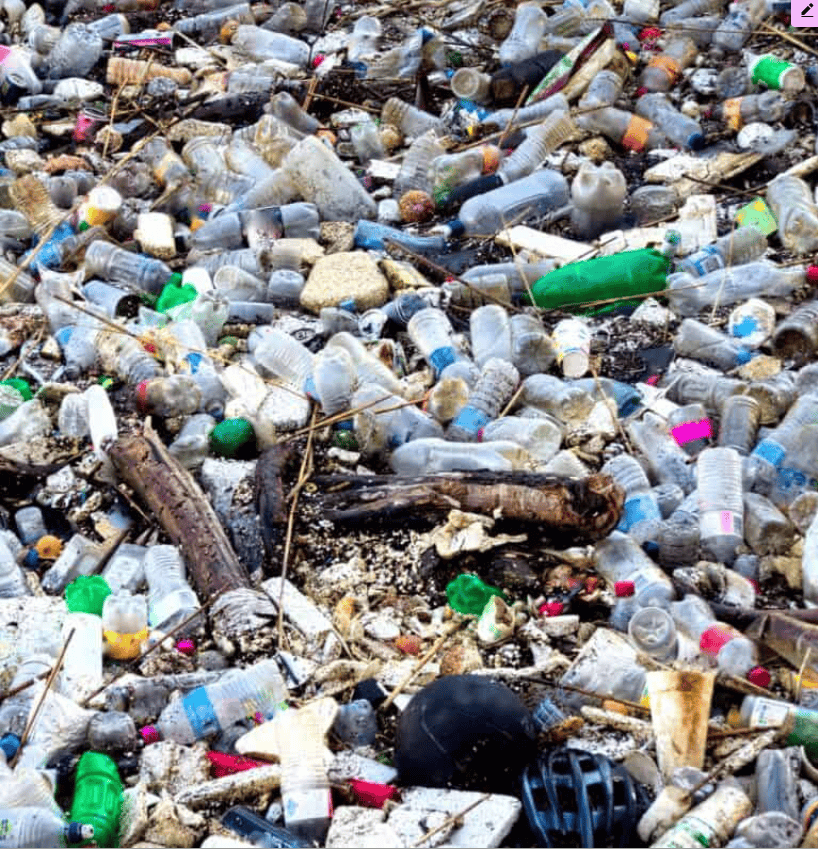
What’s worse, the non-recyclable single-use plastic bottle becomes trash that clogs landfills, further harming our planet’s fragile ecosystem.
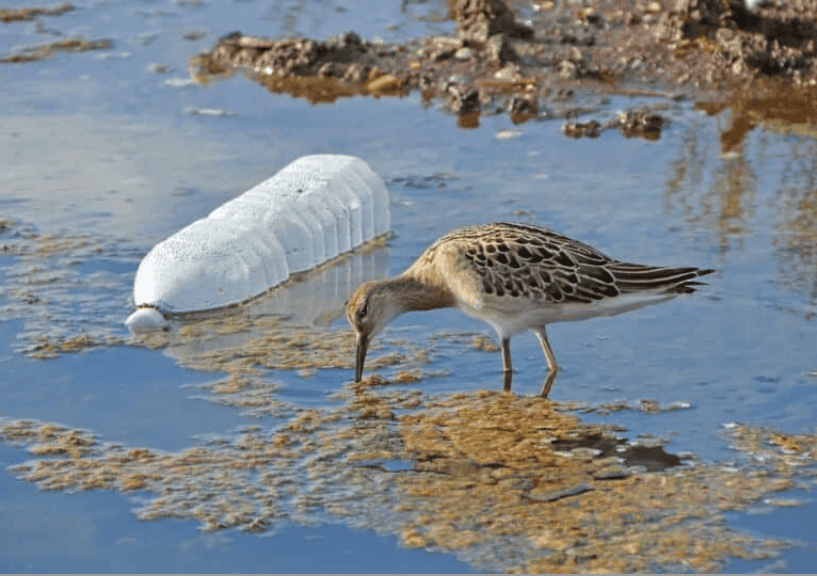
Sometimes, plastic bottles float in the waterways of rivers, streams, lakes, reservoirs, and oceans.
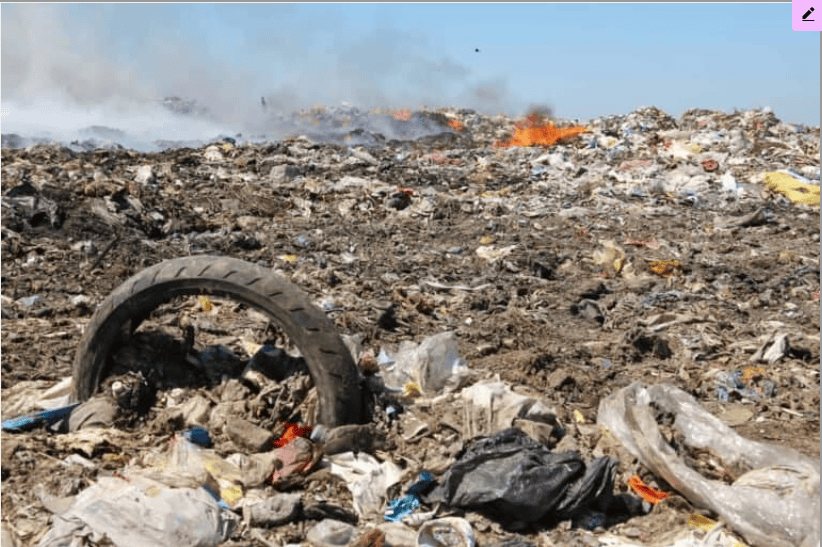
Other plastic bottles that don’t wind up in overloaded landfills or waterways are illegally burned into the atmosphere.
The smoky fumes cause respiratory irritation to the lungs of any living thing that breathes its toxic result.
The cause of the irritation stems from contaminants that fall out, such as smoky particulates that hang in the air. Burned plastic chemicals create carcinogens, which can cause cancer in a multitude of ways in humans and animals.
Sadly, this is not the first time we’ve got it wrong as we review the following scenarios.
While this begins as an unsettling story, stay with me to the end. In four easy steps, I’ll show you how we can protect and save ourselves and our planet.
This backstory explains the importance of protecting yourself and those you love and care for during these most uncertain times regarding water treatment defense measures.
Let’s continue.
Scenario #2:
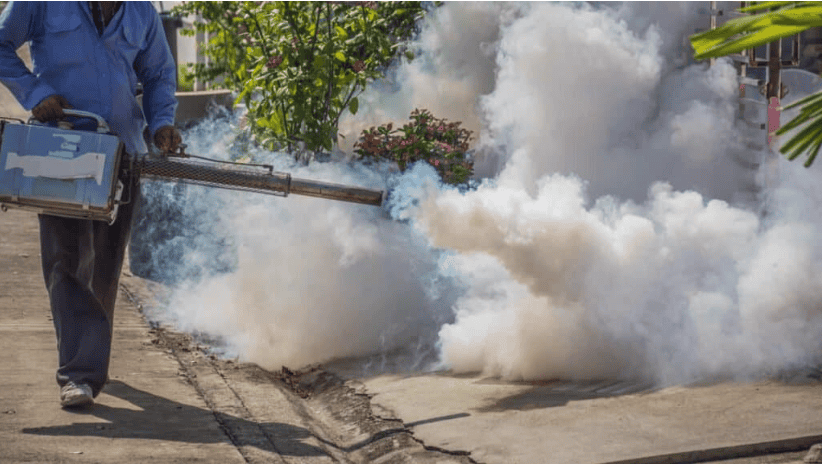
A few generations ago, they told us to spray bugs (like mosquitoes, ants, ticks, and fleas) with pesticides using DDT chemicals to help fight them off.
Dichlorodiphenyltrichloroethane, commonly known as DDT, is a colorless, tasteless, almost odorless crystalline chemical compound originally developed as an insecticide.
After decades of use, scientists discovered that some bugs became resistant to DDT.
Later, scientists also realized that DDT harms birds, fish, and animals that eat beneficial insects exposed to it.
Another study also linked DDT to eggshell thinning in predatory birds in North America and Europe.
Scenario #3:
In the early 1980s, scientists told us that aluminum cans for soups, fruits, vegetables, meats, poultry, fish, and beverages like soft drinks and beer have an acidic pH.
Low pH acid is corrosive and could break down the metal inside the canned container, causing a ‘leaching effect’ to the aluminum coating, coming directly in contact with the product inside, thereby causing the toxic metallics to absorb into the food or beverage we would unknowingly ingest.
This is why so many products, such as pickles and tomato sauces, are jarred in glass containers, which have highly acidic pH levels.
Case in point: Distilled White Vinegar is one-fifth the acidic strength of a car’s battery acid. No wonder it’s used so much in house cleaning tasks.
However, glass is fragile and easily breakable, making it more difficult for backpack hikers, campers, and military troops to transport its containers without extreme care.
According to medical and scientific research, this leaching effect was a leading cause of symptomatic complications linked to Alzheimer’s Disease, similar to the aluminum fines found in many kinds of toothpaste used as a gritty micro-abrasion paste against teeth during daily oral care of brushing teeth.
The solution for canning food and beverage contents was to create a ‘non-metallic lining’ inside of canned containers with a special soft plastic ‘lacquer coating’ that featured a chemical called ‘Bisphenol A,’ also known as BPA.
At the time, it was a good idea to move us all forward in advancing another ‘everyday living’ solution to address a common problem.
Canned food and beverage product marketers sold the feature and benefit by adding a plastic lining to canned goods.
Mass media advertising proudly explained the lining ‘helped to preserve the freshness and taste’ of the contents inside the canned container.
(It’s good that they did not mention health benefit claims.)
It wasn’t until further scientific research discovered a decade later, in 2003-2004, that the chemical BPA was more harmful than beneficial due to its chemical compound properties.
BPA chemistry absorbs food and refreshments through daily exposure and using metal jars, infant bottles, reusable water bottles, and polycarbonate plastic containers.
According to Cancer Council Western Australia, it’s not known as of 2019 if BPA is considered ‘carcinogenic in nature,’ which means carcinogens are a potential cancer-causing agent.

Scenario #4:
Using human-made chemical compounds developed in the late 1940s by DuPont (Teflon) and 3M (Scotchgard), scientists developed ‘modern-day miracles’ to make everyday life easier in every possible way.
Here’s a small list of their use:
- Skillet surface coatings that are ‘no-stick’ have easy clean-up when washing.
- Carpet fiber protection from spills and stains
- Upholstery fabric protection from spills and stains
- Plumber’s Pipe Thread Tape to prevent pressurized water leaks
- DuPont Tyvek (R) is a moisture barrier wrap that repels rain, snow, ice, and condensation on the exterior walls of newly built homes or commercial building construction projects. Later, DuPont Tyvek (R) bodysuits became available as chemical and microbiological Personal Protection Equipment (PPE for short).
- Outdoor equipment and clothing like Gore-Tex repel water from water-based elements.
- Fire extinguishers create a foam that suffocates the oxygen from the fire.
- It’s a special wax-like, non-stick coating found in cardboard microwavable food containers, just like those used in popular fast-food chains that contain everything from burgers, pizza, and tacos to fried chicken and French fries. It helps to prevent the coated cardboard containers from appearing ‘greasy.’
- In the last few years, the chemicals found in the above examples have been called PFOA, PFAS, and PFOS. These chemicals have been dubbed ‘The Forever Chemical’ and can be found in the bloodstream of over 99% of the world’s population.
- More testing has discovered that these chemicals reside in more water supplies nationwide. As foreign governments begin to test for them, they may appear in other countries.
- The scope and breadth of this issue make the still unresolved (even years later) Flint, MI ‘Water Supply’s Lead Exposure’ seem like a ‘walk in the park.’
- PFOA, PFAS, and PFOS are cancer-causing chemicals for humans and animals. According to the EPA (Environmental Protection Agency), there is evidence that exposure to PFAS can lead to adverse health outcomes in humans. The most studied PFAS chemicals are PFOA and PFOS. Studies indicate that PFOA and PFOS can cause reproductive and developmental, liver and kidney, and immunological effects in laboratory animals.
- The EPA has not added PFOA, PFAS, and PFOS chemicals to its regulatory list but only to its own ‘watch list.’
- As of 2025, the EPA is designating PFOA, PFOS, their salts, and structural isomers as hazardous substances under CERCLA. This designation is based on significant evidence, including epidemiological and toxicological studies, indicating that when PFOA and PFOS are released into the environment, they may pose a substantial risk to public health, welfare, or the environment.
PFOA and PFOS are CERCLA Hazardous Substances; Prepare Accordingly – Michael Best & Friedrich LLP. https://www.michaelbest.com/Newsroom/338307/PFOA-and-PFOS-are-CERCLA-Hazardous-Substances-Prepare-Accordingly


Advances in Science
Science is a ‘moving target’ as it develops better ways to solve big and small problems.
When Science helps us become more aware of society, it challenges us to make positive contributions by redirecting our daily habits for our generation and those generations that follow.
Together, we can benefit by improving our lives and the environment surrounding us for a better tomorrow.
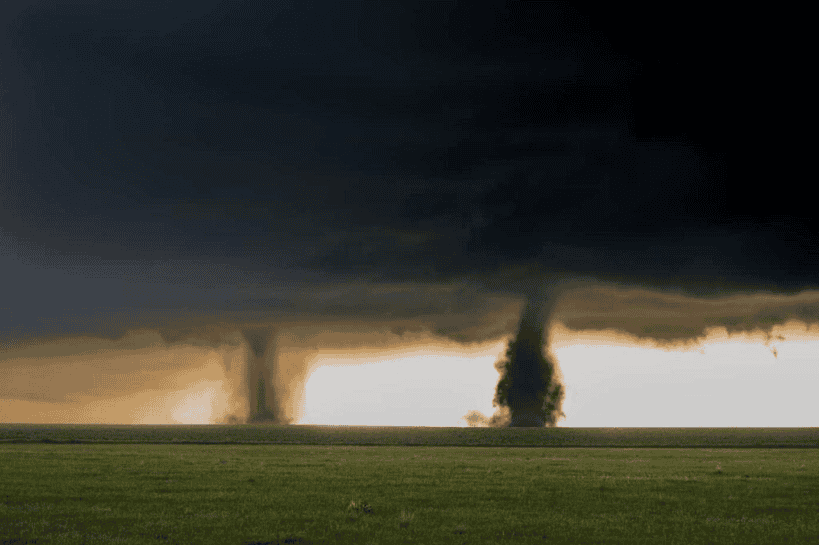
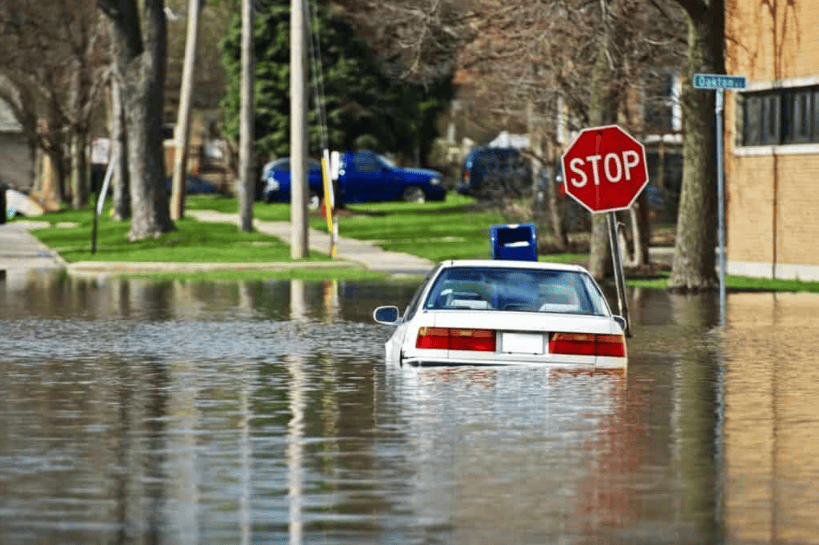
But now it seems our planet is suffering through its version of ‘Chronic Heartburn, or Acid Reflux,’ which humankind has contributed to its cause and effect for several decades.
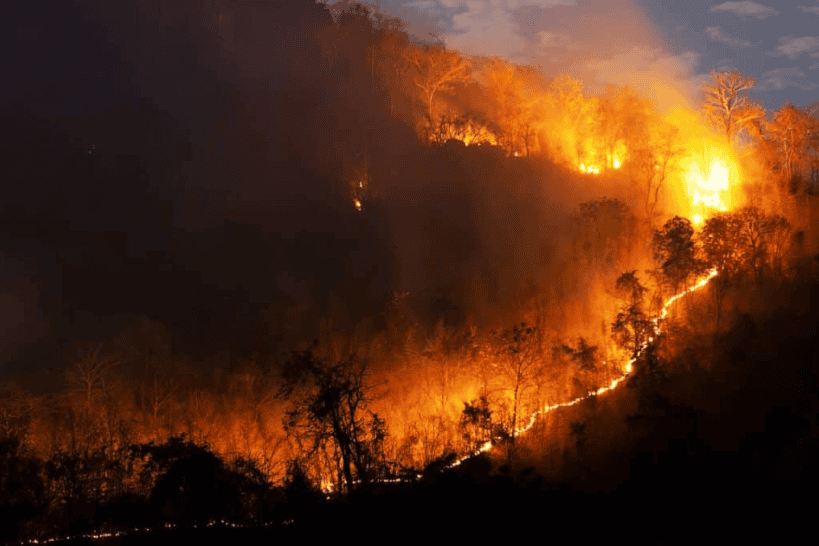
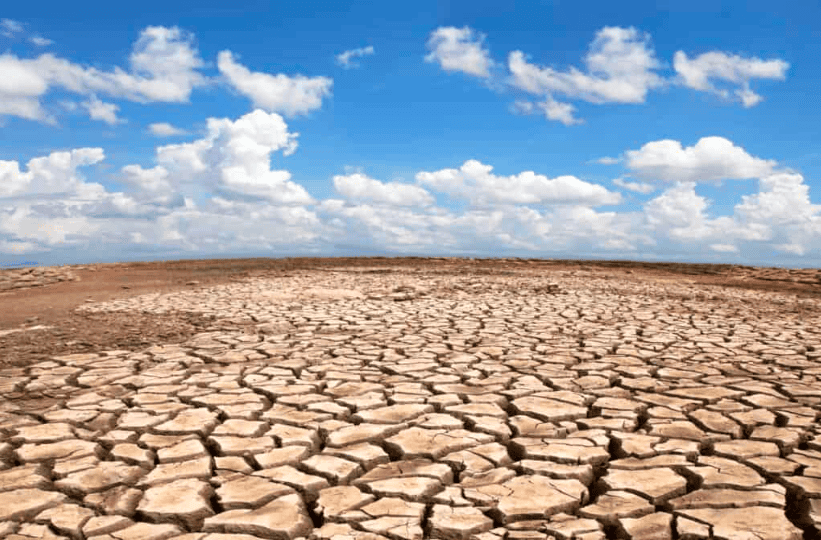
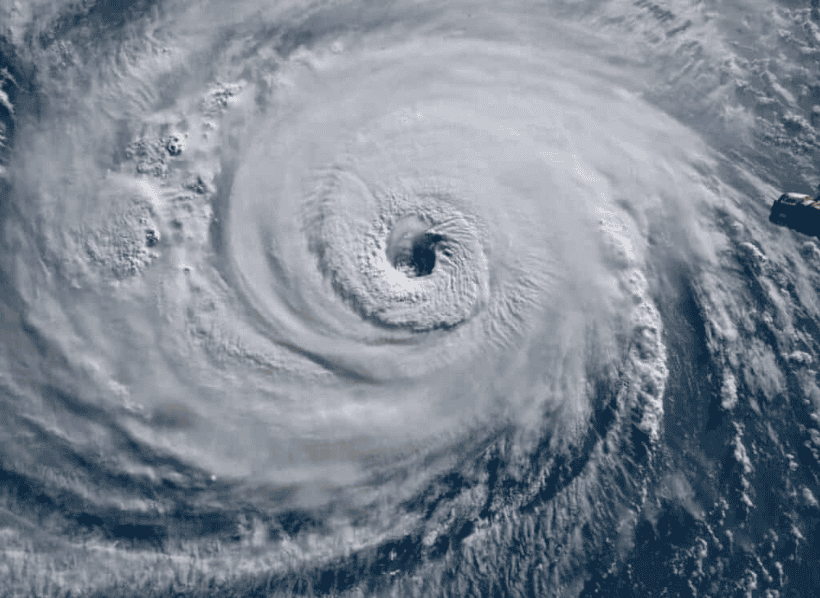
Global Warming caused by excessive carbon emissions has caused a record number of catastrophic events, such as uncontrollable fires, hurricanes, tornados, drought, and other traumatic weather events, that wreak havoc on our world’s economic and geopolitical landscape.
Polluted ecosystems and massive urban development add to the degradation of our world.
Either we as a global society successfully affect a change in the narrative globally about respecting our planet’s precious and limited resources, or we may continue down the path of the world’s demise.
‘Terraforming’ is just a hypothesis that only appears in science fiction. That’s where you change another planet or moon to create a habitable Earth-like planet.
We can only earnestly attempt to reconcile with our planet and teach our current and future generations practical and impactful global ecosystem methods to survive, heal, and thrive while avoiding this disappointing ‘Frat House Party Trashing’ global lifestyle.